


Optimise Your Landscaping Website: Track Performance and Convert More Leads

17 December 2025

Share this article

Laying the groundwor k

A landscaping website should be more than just a digital business card. In a competitive market, it needs to capture attention, build trust, and turn interest into real leads. Many landscaping businesses invest in attractive sites, but without ongoing measurement and refinement, even the best designs may not reach their full potential.
In this final post of our landscaping website series, you'll discover how to use analytics, customer feedback, and proven conversion strategies to make your website a steady source of new business. Whether you are a solo landscaper or run a team, these practical steps will help you understand what is working, what needs improvement, and how to turn visitors into loyal clients.

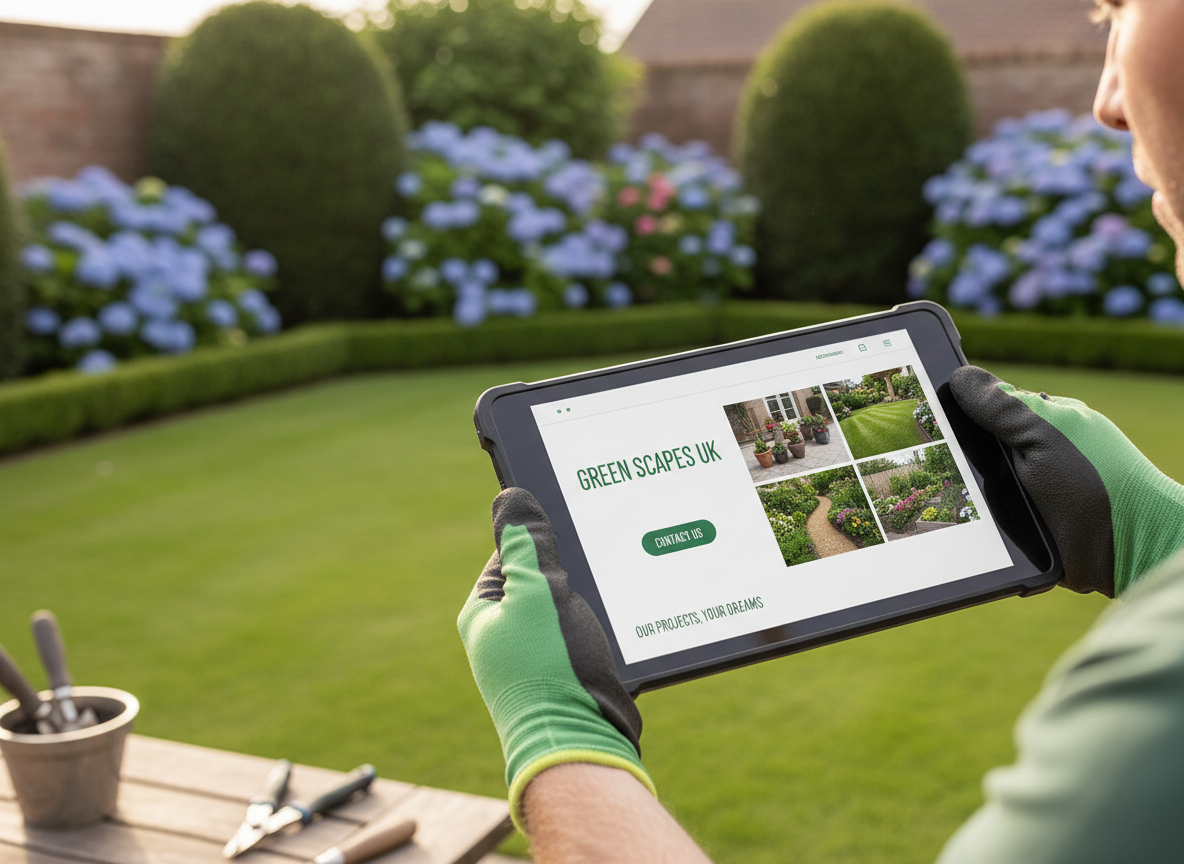
Person in gloves using a tablet in a garden, viewing landscaping designs.

Understanding Website Performance

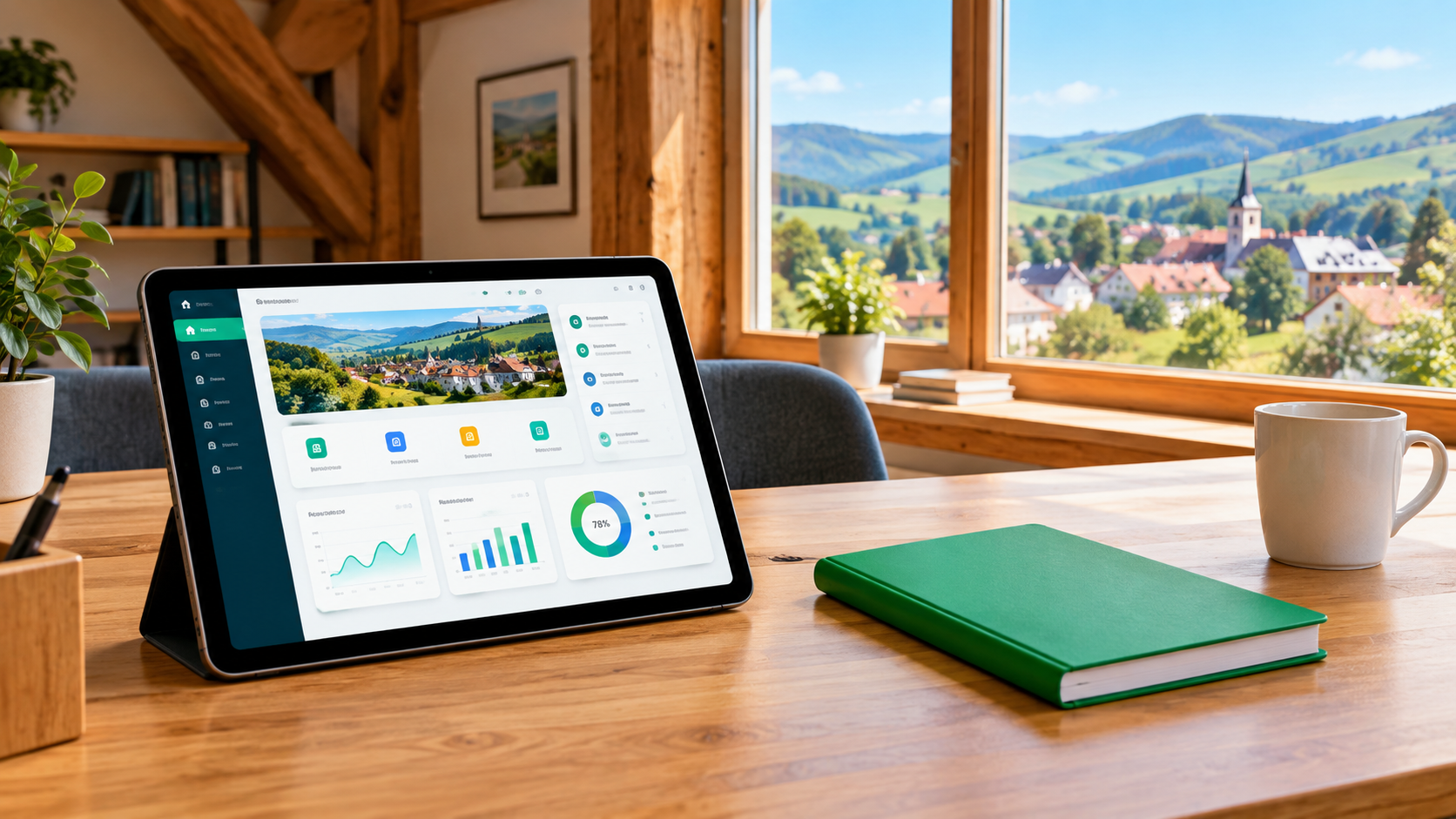
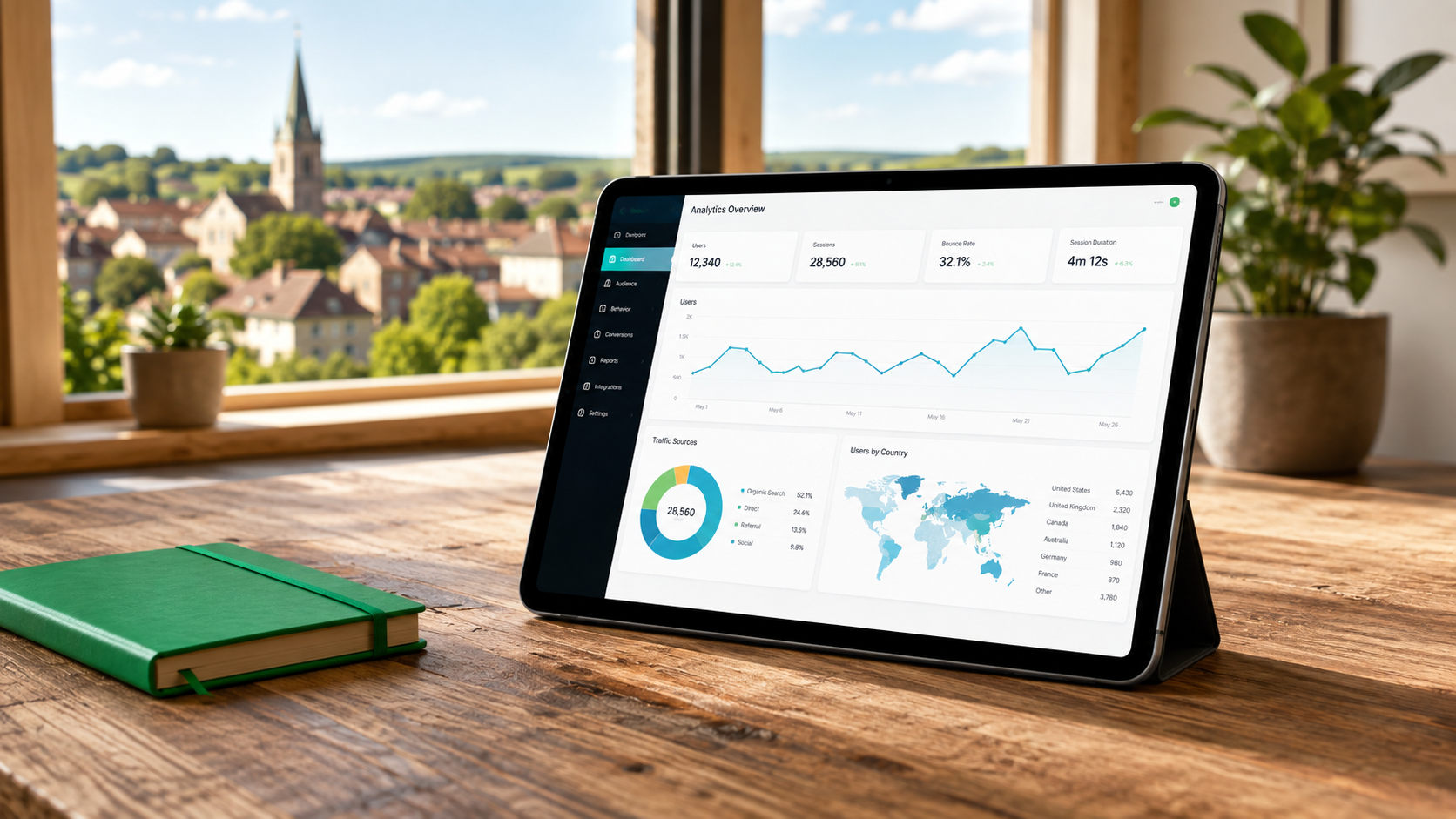
Before you can improve your website’s results, it helps to know how it is performing. Analytics tools such as Google Analytics or your built-in CMS dashboard provide a wealth of data about your visitors. Start by checking how many people visit your site each week or month, which pages attract the most attention, and how long visitors stay. Pay close attention to your bounce rate, the percentage of visitors who leave without interacting further. A high bounce rate may suggest your content is not engaging, your site is slow to load, or your navigation is unclear. Regularly reviewing these figures helps you spot patterns, understand your audience’s needs, and identify the areas that most influence your business goals.
It is also useful to look deeper into how visitors move through your site. Are they landing on your homepage and quickly leaving, or do they explore your gallery, testimonials, and contact pages? Analysing these patterns can reveal whether your website’s structure supports the customer journey or creates unnecessary friction. For example, if potential clients often drop off before reaching your enquiry form, it might be hidden or too complicated. By tracking user journeys, you can make targeted changes that keep visitors engaged and guide them towards taking action.

Turning Visitors into Clients

Once you understand your website’s performance, focus on turning those visitors into leads. The most effective landscaping websites make it easy for potential clients to get in touch. Prominently display your contact details on every page, and make sure your enquiry forms are simple, clear, and require only essential information. Avoid overwhelming visitors with lengthy forms or requests for unnecessary details, as this can discourage them from reaching out.
Trust is a major factor in lead conversion. Feature genuine testimonials from satisfied customers, showcase your best work in a professional gallery, and display any relevant accreditations or awards. These elements reassure potential clients that you deliver quality results and stand by your promises. High-quality images are especially important in the landscaping industry, where visual impact matters. Investing in professional photography or using well-lit, crisp images helps highlight your expertise.  Offering free resources can also boost your conversion rates. Consider providing downloadable guides, such as garden planning tips or seasonal maintenance checklists, in exchange for a visitor’s email address. This not only positions you as an expert but also gives you an opportunity to follow up with tailored marketing. Clear calls to action, such as “Request a Quote” or “Book a Consultation”, should appear throughout your site, guiding visitors towards the next step in their journey.

Laptop on a bench displaying charts in a garden with flowers and a coffee cup.

Using Analytics Tools Effectively

Website analytics tools, such as Google Analytics or your CMS dashboard, make it simple to monitor your site’s results. These platforms allow you to see which pages attract the most attention, how visitors arrive at your site, and which actions they take before leaving. By looking at this information regularly, you can spot patterns and identify which parts of your website encourage enquiries or bookings.
 If you notice that a particular gallery or testimonial page receives high engagement, you might want to feature similar content elsewhere. By contrast, if visitors tend to leave after landing on a certain page, it could mean the page needs clearer information, faster loading times, or a more inviting call to action.

Continuous Improvement for Lasting Success

A successful landscaping website is always evolving. Encourage your clients to share their experiences through reviews and feedback forms, and use their suggestions to shape future updates. Try making small adjustments, such as changing the wording on your enquiry form or updating the images in your portfolio, and keep an eye on how these changes affect your results.
 Consistently refining your website makes sure that it remains relevant, engaging, and effective at attracting new business. As you gain more experience and feedback, you will be able to make changes that reflect both your brand and your clients’ needs.

Man on a call at a desk in a greenhouse. Plants surround him.

Take Action Today 

If you are ready to improve your landscaping website’s performance and convert more leads, now is the perfect time to act. Contact us today for a complimentary website audit and personalised advice on boosting your site’s results.
 We will review your current website, highlight key opportunities for improvement, and help you put a plan in place to attract more clients. Your next project could be just a click away.

Ready to grow your business?

Get in touch now to find out how your website can start winning more clients.

Recent Posts

A tablet displays a gardening website on a table in a lush, sunny garden with blooming flowers.
10 December 2025
Learn how landscaping businesses can convert website visitors into clients with expert tips on trust, galleries, and simple enquiry options.
Laptop and phone displaying a website on a patio table, overlooking a lush garden.
3 December 2025
Learn which website features help landscaping businesses win clients, covering design, trust, mobile usability, and local search in a practical guide.
Green lawn bordered by lush, diverse garden with trees and various green, yellow, and purple foliage.
25 November 2025
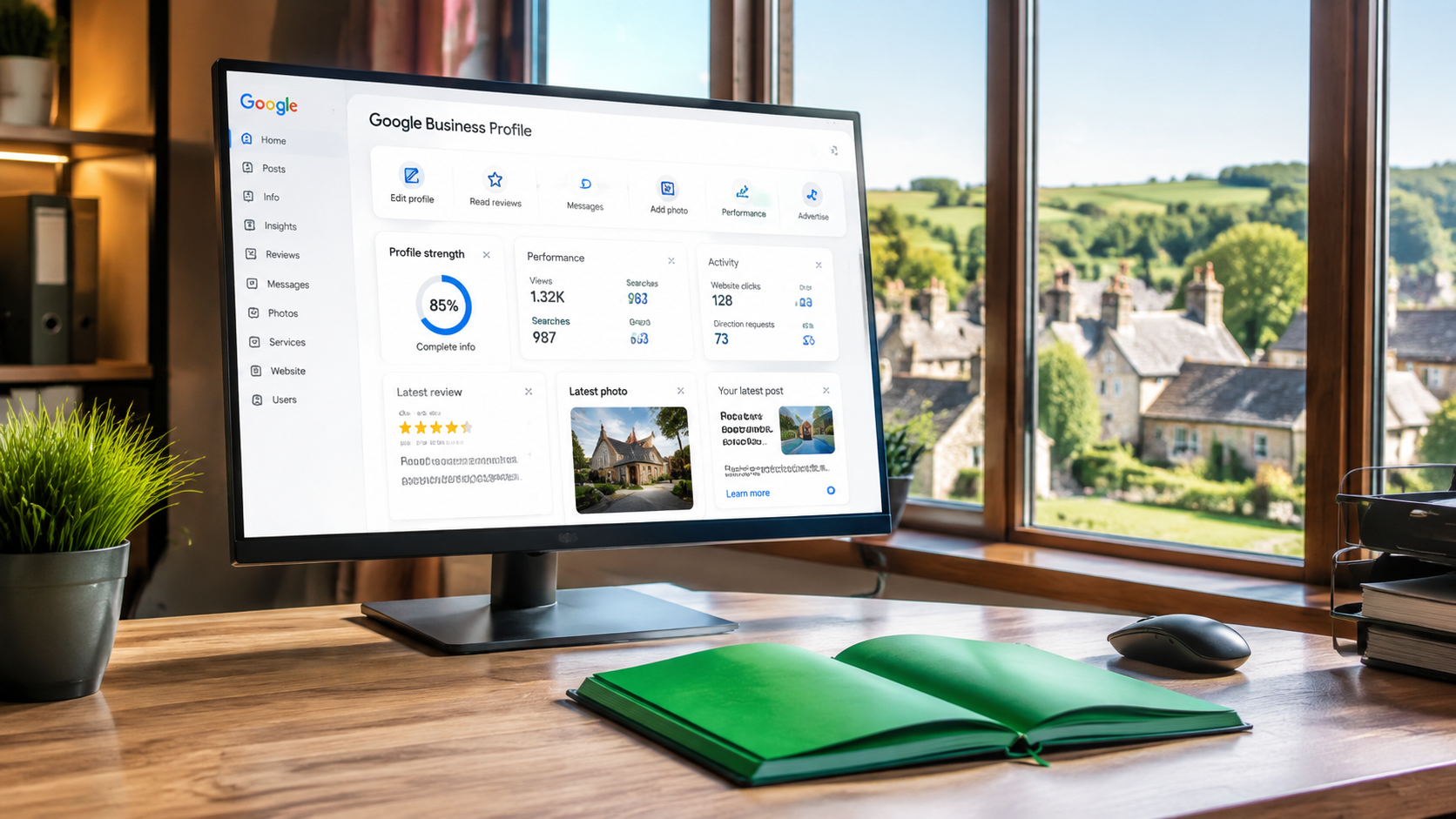
Build trust and attract more landscaping clients with a professional website, local SEO, and a Google Business Profile. Take control of your growth.
Woman in blazer smiles, holds phone with app screen, inside hair salon with chairs, mirrors, and plants.
18 November 2025
Discover when a small business truly benefits from a mobile app, covering repeat customers, bookings, loyalty, push notifications, and ecommerce.
Woman holding a phone and tablet with a website displayed, smiling. Sitting at a desk with plants in the background.
by Peter Teal 10 November 2025
Discover why mobile-friendly web design is essential for small businesses. Learn how a responsive websites improve user experience, SEO, and drives growth.
Laptop screen displaying calculator app within code, pencil nearby.
28 October 2025
Discover how to choose the right mobile app developer for your business. Tips on expertise, budget, and support to ensure your app’s success.
Smartphone with WhatsApp icon on display.
14 October 2025
Boost sales and revenue with a custom mobile app. Enhance customer experience, streamline sales, and reach more customers for your small business.
Laptop with
8 October 2025
10 Key Elements of an Effective Business Website
Hand cursor pointing at the word
6 October 2025
Why Website Maintenance and Updates Are Important
Desktop computer displaying a blue line graph, with plants, a phone, and a cup of coffee on a white desk.
3 October 2025
Measuring the Success of Your Website: Key Metrics to Track
Show More